Artist residency programs serve as vital platforms for creative professionals, offering them the opportunity to immerse themselves in their artistic practice while gaining access to resources, mentorship, and community support. These programs are designed to foster creativity, allowing artists to explore new ideas and develop their work in a conducive environment. In this guide, we will delve into the significance of artist residencies, the various types available, and how to successfully navigate the application process. By understanding the landscape of artist residencies, you can enhance your creative journey and maximize your chances of success.
This article will cover essential topics, including the definition and importance of artist residency programs, the benefits they offer, tips for finding and applying to these programs, funding opportunities, and insights from artists who have participated in residencies. Whether you are an aspiring artist or a seasoned professional, this guide aims to equip you with the knowledge needed to make informed decisions about your artistic development.
Artist residency programs are structured opportunities that provide artists with dedicated time and space to focus on their creative work. These programs often include access to facilities, mentorship, and a supportive community, which can significantly enhance an artist’s practice. The importance of these residencies lies in their ability to foster artistic growth, encourage experimentation, and facilitate networking among artists and art organizations.
Indeed, the core value of these programs often lies in the dedicated time and space they provide, as highlighted by research.
Artist Residency Programs: Time, Space & Networking
Contemporary artist residency programmes around the globe have proliferated since the early 1990s. Promoted through new online platforms such as Res Artis and TransArtists, they are now firmly embedded within artistic networking and discursive practices. Whereas residency programmes were originally valued for their role in enabling mobility and cultural exchange, this thesis addresses a countervailing tendency that identifies residencies as retreats, whose primary role is to shelter artists from external pressures and demands. Residency programmes frequently claim to provide artists with a ‘gift of time’, or even more commonly, to provide ‘time and space.’
A gift of time: the contemporary artist-in-residency programme, 2021
Participating in a residency can lead to new collaborations, exposure to different artistic perspectives, and the chance to showcase work in various contexts. Ultimately, artist residencies play a crucial role in the professional development of artists, helping them to refine their skills and expand their creative horizons.
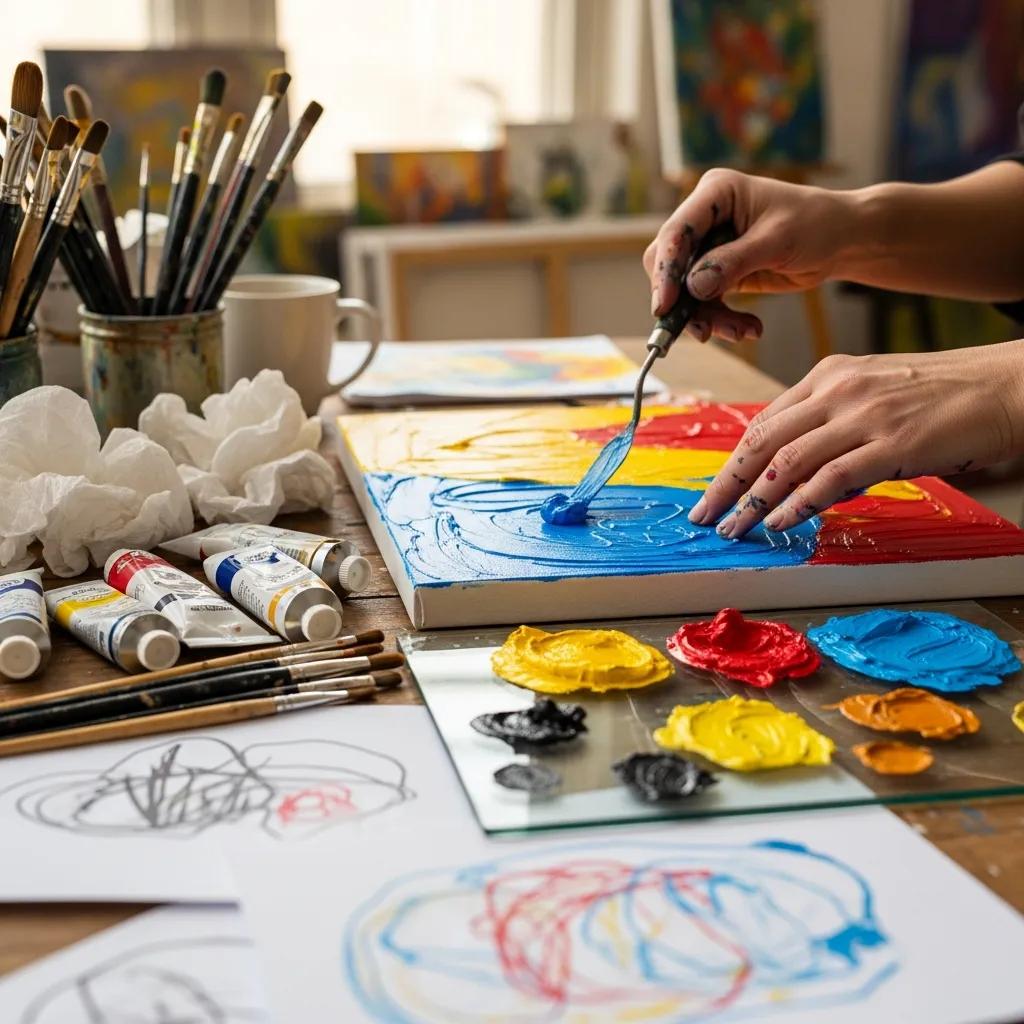
Creative residencies come in various forms, each offering unique benefits tailored to different artistic disciplines. These residencies can range from short-term programs lasting a few weeks to long-term commitments spanning several months. The primary advantage of participating in a residency is the opportunity to focus solely on one’s artistic practice without the distractions of daily life.
Some key benefits of creative residencies include:
By understanding the various types of residencies and their benefits, artists can make informed choices that align with their creative goals.
Artist residencies are designed to support creative growth by providing an environment conducive to exploration and experimentation. These programs often include workshops, critiques, and mentorship from established artists, which can significantly enhance an artist’s skills and confidence.
Additionally, residencies facilitate networking opportunities that can lead to future collaborations and exhibitions. Artists can connect with peers, curators, and art organizations, expanding their professional network and increasing their visibility in the art world. This supportive community can be invaluable for artists seeking to establish themselves and share their work with a broader audience.
Finding the right artist residency program involves thorough research and consideration of various factors, including location, duration, and the specific resources offered. Here are some steps to help you navigate the process:
For those looking to streamline their search, platforms like ResArtis offer a searchable database of artist residencies, designed to inspire and guide users through their creative journeys.
Applying for artist residencies can be competitive, so it’s essential to present a strong application. Here are some best practices to enhance your chances of success:
By following these tips, you can create a standout application that highlights your unique artistic voice and vision.
Eligibility criteria for artist residencies can vary widely, but common requirements often include:
Preparing your portfolio involves selecting works that not only reflect your artistic style but also demonstrate your ability to engage with the residency’s theme or focus. Tailoring your portfolio to align with the residency’s goals can significantly enhance your application.
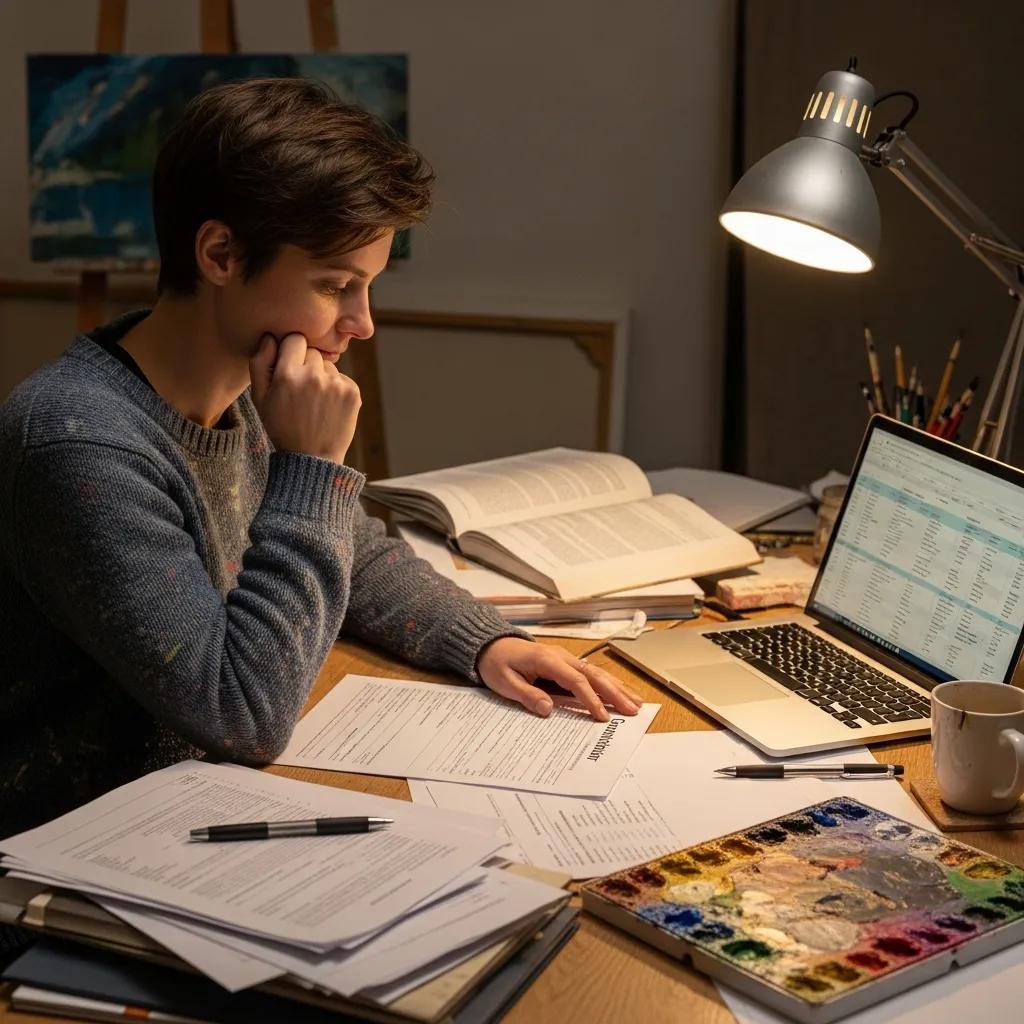
Funding for artist residencies can come from various sources, including grants, scholarships, and institutional support. Understanding the different funding opportunities available can help artists secure the financial resources needed to participate in these programs.
By exploring these funding avenues, artists can increase their chances of participating in valuable residency programs.
Securing grants and financial support requires careful planning and preparation. Here are some strategies to consider:
By following these strategies, artists can enhance their chances of obtaining the financial support needed for their residency.
When considering artist residencies, it’s essential to evaluate the various types available and how they align with your artistic goals. Some common types of residencies include:
By understanding the different types of residencies, artists can choose programs that best suit their creative aspirations.
International residencies provide artists with the opportunity to immerse themselves in new cultures, often leading to innovative work that reflects diverse influences. Virtual residencies, on the other hand, leverage technology to connect artists with resources and communities, making them accessible regardless of location. Thematic residencies challenge artists to engage with specific topics, fostering deeper exploration and dialogue within their work.
Choosing the right residency based on your artistic goals involves considering how each type aligns with your creative vision and the experiences you wish to gain.
Selecting the right artist residency is a crucial step in your creative journey. Consider the following factors when making your decision:
By carefully considering these factors, you can choose a residency that will best support your artistic development.
Artist residency programs are available worldwide, with many located in vibrant cultural hubs. Popular residency locations often include:
The location of a residency can significantly influence your creative experience, offering new perspectives and inspiration.
Several cities and countries are renowned for their artist residency programs, including:
These locations not only provide resources and support but also immerse artists in rich cultural contexts that can enhance their work.
The environment in which you create can have a profound impact on your artistic process. Factors such as cultural context, community support, and access to resources all play a role in shaping your experience during a residency. For instance, a residency in a bustling urban center may inspire different work than one in a serene rural setting.
Understanding how residency locations influence creativity can help artists select programs that align with their artistic vision and goals.
Artists who have participated in residencies often share transformative experiences that have significantly impacted their work. Testimonials highlight the importance of community, mentorship, and the freedom to explore new ideas. Many artists report that residencies have led to breakthroughs in their practice, increased confidence, and valuable connections within the art world.
These positive outcomes are consistently echoed in studies examining the benefits of such programs for artists.
Artist Residency Benefits: Learning & Creative Growth
We found that artists participants had more positive responses about “learning something new” from the program than scientists. We also found that for both artists and scientists the length of the program and the virtual nature of the program were key features in producing a positive experience.
How to design an art-science program? Self-reported benefits for artists and scientists in the VI4 artist-in-residence program, Q Liu, 2022
Artist Testimonials and Case Studies from Residency Alumni
Case studies from residency alumni provide valuable insights into the impact of these programs on artistic careers. Many artists credit their residency experiences with helping them refine their practice, gain exposure, and develop lasting relationships with other creatives. These testimonials underscore the importance of artist residencies in fostering artistic growth and community engagement.
The long-term effects of artist residencies can be profound, often leading to significant advancements in an artist’s career. Many artists find that their residency experiences open doors to exhibitions, collaborations, and new opportunities. Additionally, the skills and insights gained during a residency can lead to lasting changes in their creative approach and artistic identity.
By participating in artist residencies, artists can enhance their careers and contribute to the broader artistic community, making these programs invaluable for creative professionals.