
Art education programs play a crucial role in nurturing creativity and enhancing the skills of aspiring artists and creative professionals. These programs offer structured learning experiences that not only teach artistic techniques but also foster critical thinking and innovation. In this article, we will explore the various comprehensive art education programs available, their benefits, and how they can significantly impact your creative journey and career growth. Many individuals seek to develop their artistic abilities but may struggle to find the right resources and guidance. Comprehensive art education programs provide a solution by offering diverse learning formats and expert mentorship. We will delve into the types of programs available, the importance of career guidance, and how to engage with resources that can elevate your artistic skills.
Comprehensive art education programs encompass a wide range of courses and workshops designed to enhance artistic skills and knowledge. These programs typically include both theoretical and practical components, allowing students to explore various mediums and techniques. The benefits of participating in such programs are manifold, including improved technical skills, increased creativity, and enhanced career prospects. By engaging in structured learning, artists can gain valuable insights into the art world, develop their unique style, and build a professional portfolio that showcases their work.
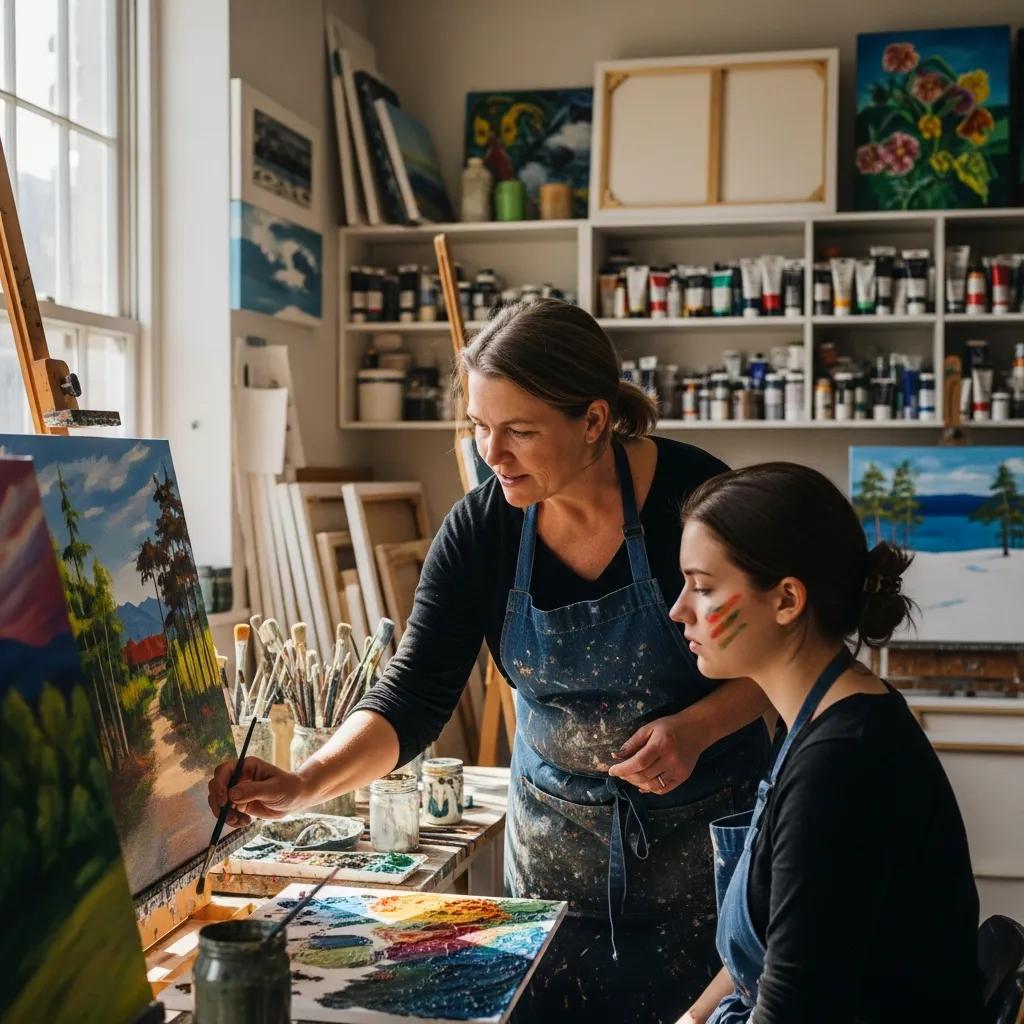
Art education programs support creative skill development by providing a structured environment where individuals can learn and practice various artistic techniques. These programs often cover essential skills such as drawing, painting, digital art, and sculpture. Additionally, they encourage experimentation and exploration, allowing students to discover their artistic voice. Successful outcomes from these programs can be seen in the work of many renowned artists who have honed their skills through formal education.
Choosing diverse learning formats in art education is essential for catering to different learning styles and preferences. Online courses offer flexibility and accessibility, allowing students to learn at their own pace and from anywhere in the world. In contrast, traditional in-person workshops provide hands-on experience and immediate feedback from instructors. By combining both formats, students can benefit from the strengths of each, leading to a more comprehensive learning experience. This flexibility is particularly beneficial for busy professionals looking to enhance their skills without disrupting their careers.
When selecting online art courses and workshops, it is crucial to consider the specific skills you wish to develop and the credibility of the program. Some of the best online courses focus on digital art techniques, graphic design, and illustration, which are increasingly relevant in today’s creative job market. These courses often feature industry professionals as instructors, providing valuable insights and real-world applications of the skills taught.
Digital art courses are designed to enhance modern creative skills by teaching students how to use various software and tools effectively. Popular courses include those focused on Adobe Creative Suite, Procreate, and 3D modeling software. These courses not only cover technical skills but also emphasize creativity and innovation in digital art. Success stories from participants often highlight how these courses have led to job opportunities in fields such as graphic design, animation, and game design.
The burgeoning field of digital art, particularly among independent creators, is rapidly expanding career horizons and gaining significant cultural recognition.
Digital Art & Career Opportunities for Emerging Artists
A growing, major genre of digital art is drawings, paintings, and comics—often which are produced by younger, independent, and freelance artists who have amassed large followings on social media but have yet to garner the attention of museums. The cultural value of digital drawings and comics is evidenced by their popularity on social media (which can be interpreted as larger public interest), necessitating their preservation.
On born digital artwork, new drawing applications, and new opportunities, 2021
Traditional art workshops complement professional growth by offering hands-on learning experiences that foster skill enhancement through practice. These workshops often focus on specific techniques, such as painting, printmaking, or ceramics, allowing participants to refine their craft. Additionally, workshops provide networking opportunities, enabling artists to connect with peers and industry professionals. This interaction can lead to collaborations and mentorship, further supporting career advancement.
Art career guidance is essential for individuals looking to navigate the complexities of the art world. It provides valuable insights into the various career paths available, helping artists identify their strengths and interests. Effective strategies for achieving creative goals include setting clear objectives, seeking mentorship, and continuously developing skills through education. Resources such as workshops, online courses, and networking events can significantly enhance an artist’s career trajectory.
Building a strong art portfolio is crucial for showcasing an artist’s skills and attracting potential clients or employers. Key elements of a successful portfolio include a diverse range of work, high-quality images, and a cohesive theme that reflects the artist’s style. Common mistakes to avoid include including too many pieces or failing to update the portfolio regularly. Successful portfolios often highlight the artist’s best work and demonstrate their growth over time.
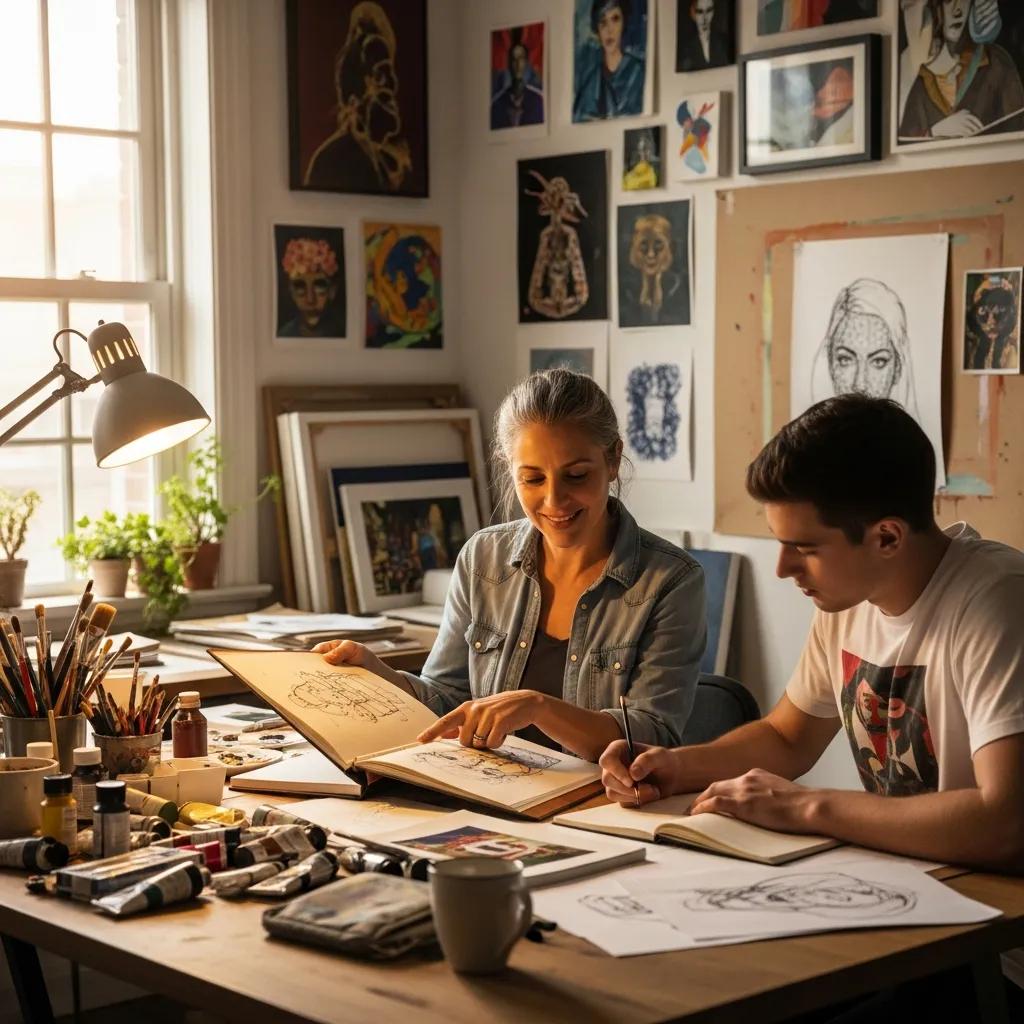
Personalized mentorship can accelerate art career success by providing tailored guidance and support. Mentors can offer valuable feedback on an artist’s work, help them navigate the industry, and connect them with opportunities. The benefits of personalized guidance include increased confidence, improved skills, and a clearer understanding of career paths. Finding a mentor can be achieved through networking events, art schools, or online platforms dedicated to connecting artists with industry professionals.
Indeed, the role of mentorship has long been recognized as a powerful catalyst for artists seeking to advance their professional journeys.
Mentoring Programs for Artist Career Advancement
Often networks, circumstances and even luck play a role in career advancement. Within the arts, mentoring has long been accepted as an effective means to help young and emerging artists develop their careers.
When sparks fly: developing formal mentoring programs for the career development of young and emerging artists, 2010
Staying informed about the latest trends and industry insights in art education is vital for aspiring artists. Current trends include the rise of hybrid learning models that combine online and in-person instruction, allowing for greater flexibility and accessibility. Additionally, technology is playing an increasingly significant role in art education, with tools such as virtual reality and augmented reality enhancing the learning experience. Future predictions suggest that art education will continue to evolve, incorporating more digital resources and innovative teaching methods.
Hybrid learning is shaping art education programs by offering a blend of online and traditional learning experiences. This approach allows students to benefit from the flexibility of online courses while still receiving the hands-on instruction that in-person workshops provide. The advantages for students include the ability to learn at their own pace, access to a wider range of resources, and opportunities for collaboration with peers. Examples of hybrid programs often feature a combination of video lectures, interactive assignments, and live critiques.
Recent statistics indicate a significant growth in art education, driven by the increasing demand for creative professionals in various industries. Factors contributing to this growth include the rise of digital media, the expansion of online learning platforms, and a greater emphasis on creativity in education. Implications for the future suggest that art education will continue to adapt to meet the needs of a changing job market, with a focus on developing skills that are relevant to contemporary creative fields.
This growing emphasis on creativity in education is further exemplified by innovative educational frameworks that integrate art into traditional STEM subjects.
Visual Arts in STEAM: Enhancing Creativity & Innovation
In the contemporary recent education landscape, an inventive paradigm known as ‘‘STEAM’’ has emerged, which augments the erstwhile STEM framework by incorporating the dimension of ‘‘Art’’. STEAM endeavors to enhance students’ capacities for creativity, innovation, and design thinking. Among the various forms of artistic expression, the visual arts, as the earliest form of human expression, play a pivotal role within and beyond the boundaries of the arts, which gives visual arts-based STEAM (VA-STEAM) fundamentally advantageous and potential to enhance student learning in STEM fields.
Enriching STEAM education with visual art: education benefits, teaching examples, and trends, C Zhang, 2024
Engaging with Art Mission’s resources can provide invaluable support for creative growth. The platform offers a variety of workshops and courses designed to enhance artistic skills and foster community among artists. By participating in these programs, individuals can access expert instruction, network with peers, and gain insights into the art industry.
Art Mission offers a range of workshops and courses tailored to different skill levels and artistic interests. These include digital art classes, traditional painting workshops, and specialized courses in areas such as illustration and graphic design. Each course is designed to provide hands-on experience and practical knowledge, ensuring that participants leave with new skills and confidence in their abilities.
Joining the creative community at Art Mission provides numerous benefits, including access to resources, networking opportunities, and support from fellow artists. Individuals can connect with others through workshops, online forums, and social media groups dedicated to art and creativity. Engaging with this community not only enhances artistic skills but also fosters a sense of belonging and collaboration among artists.